LEARN ABOUT XIN YA

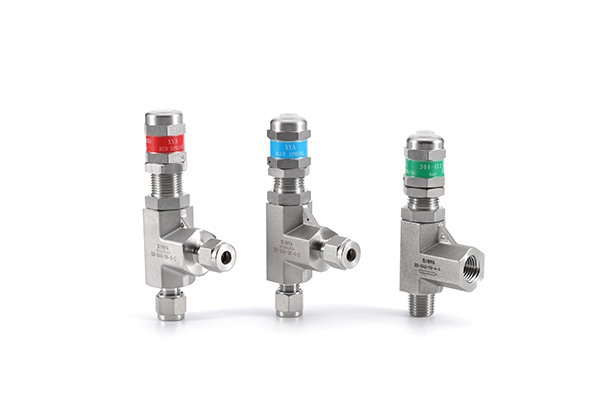
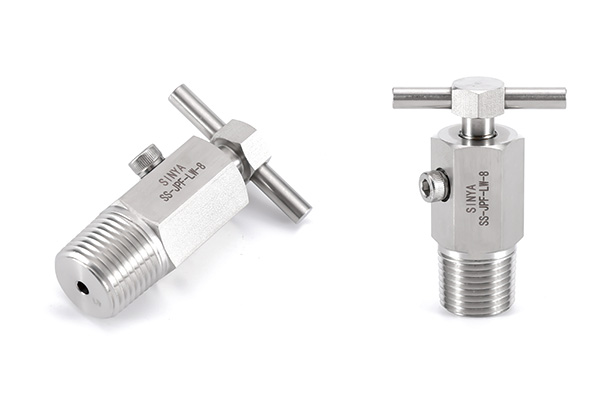
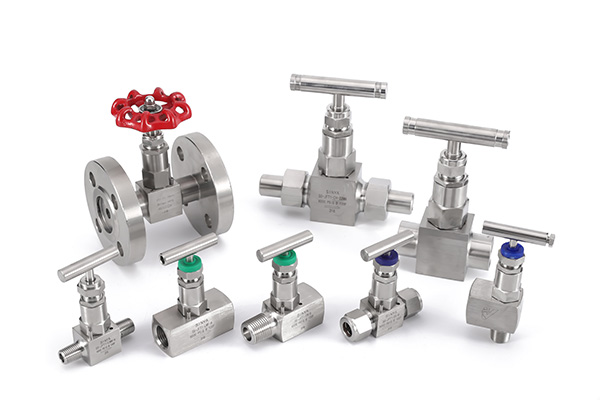
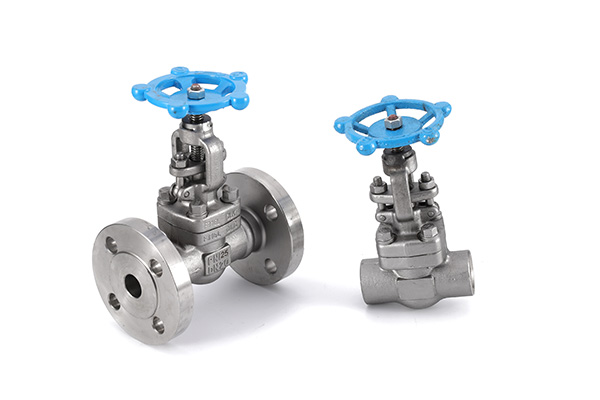
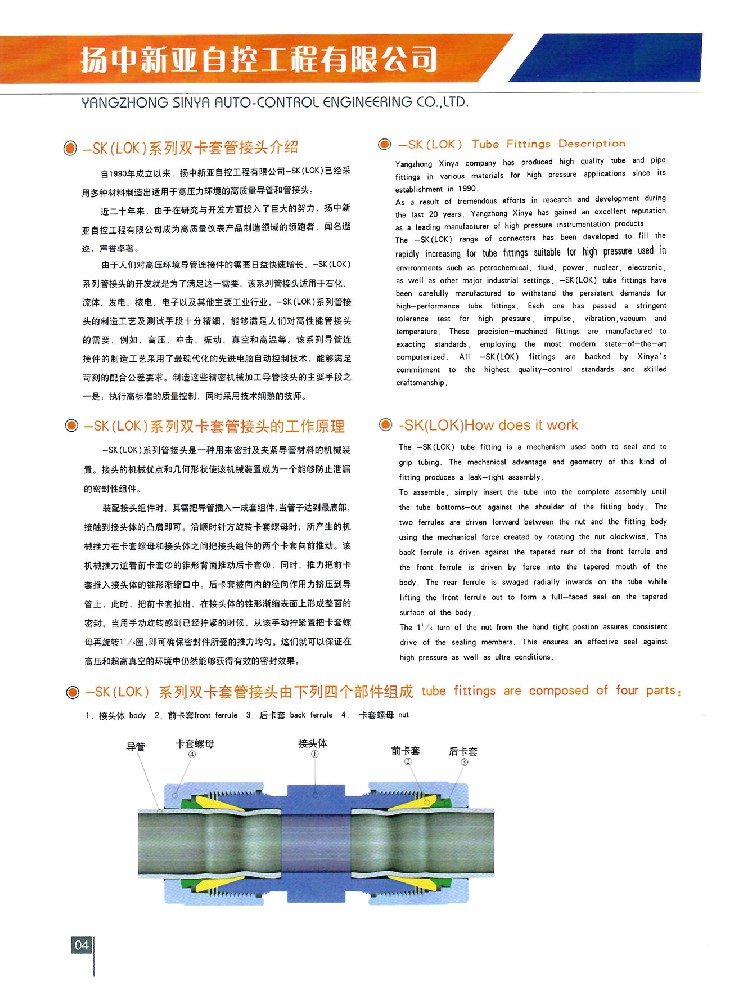
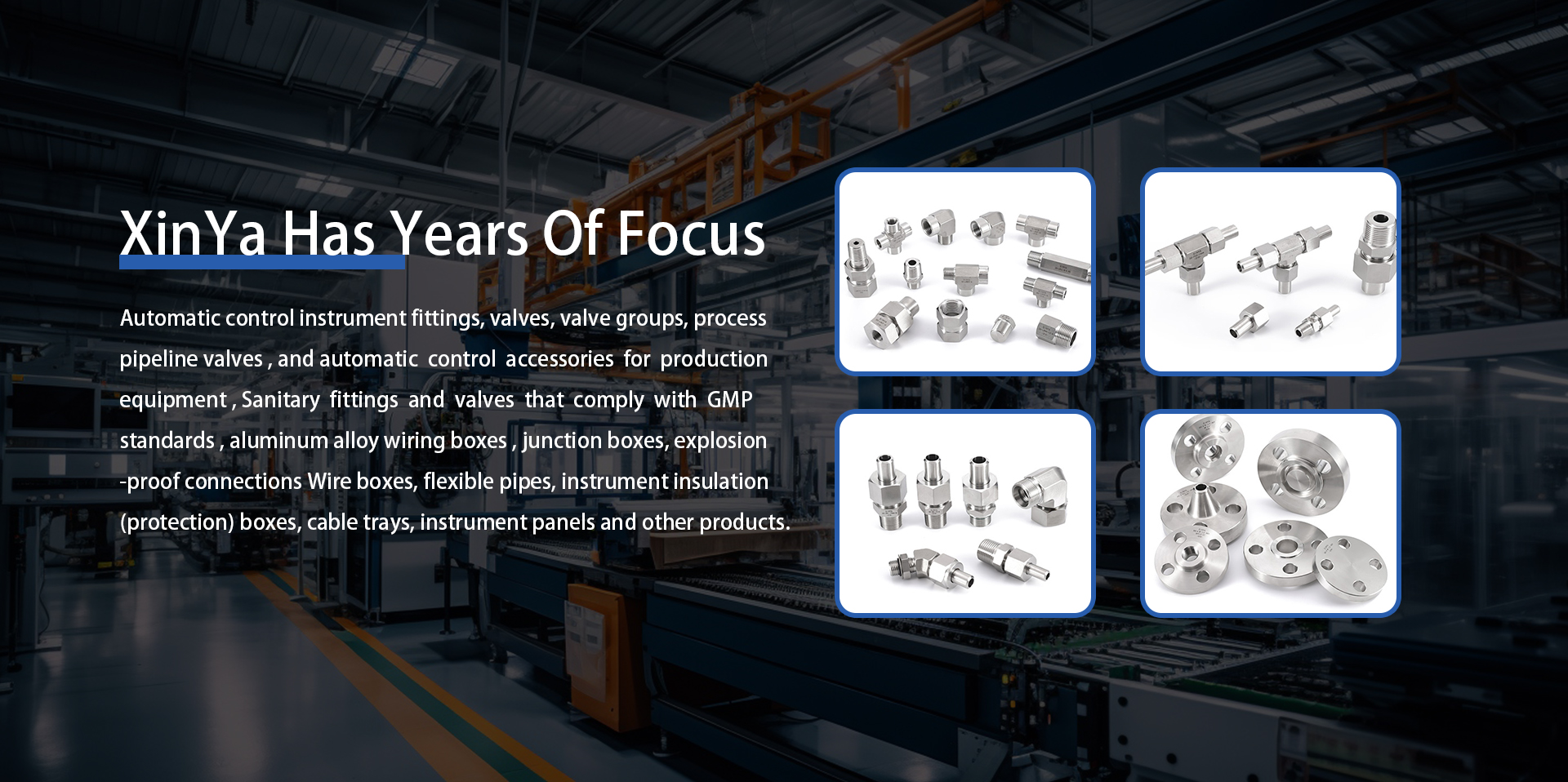
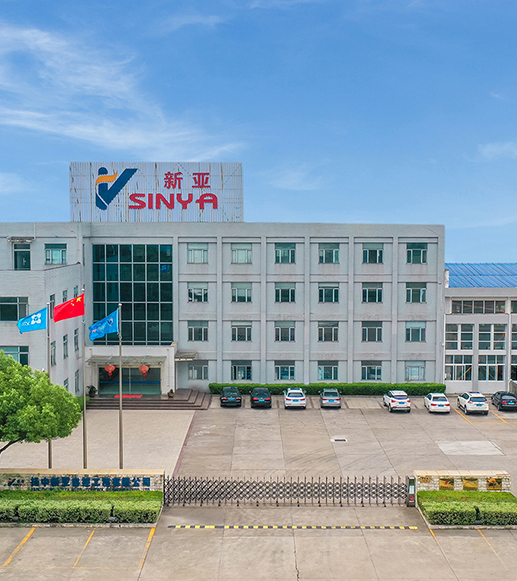
Yangzhong Xinya Automation Engineering Co., Ltd. was established in 1995 and is located in the prosperous and prosperous Yangtze River Golden Triangle, in the renowned water garden city and ecological demonstration zone of Yangzhong City. To the east is Shanghai and Suzhou, Wuxi, and Changzhou, to the west is Nanjing, to the south is Zhenjiang, and to the north is Yangzhou. The environment is beautiful, transportation is convenient, and the regional location is good. The company is market-oriented, introducing modern technology, developing and strengthening local enterprises, producing self-control instrument fittings, valves, valve groups, process pipeline valves, self-control accessories for European, American, domestic and other devices, sanitary fittings and valves that comply with GMP standards, internal combustion engine accessories, instruments, bridge frames, hardware, rubber products and other products.

ABOUT US

PRODUCTS

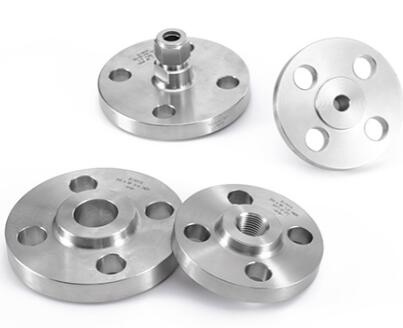
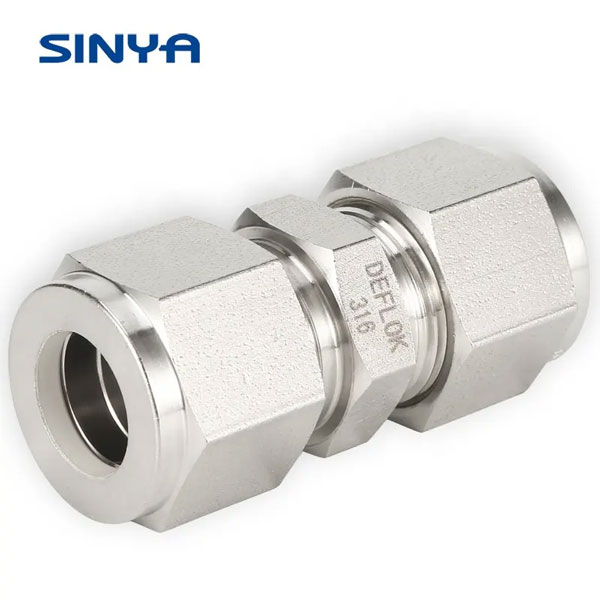
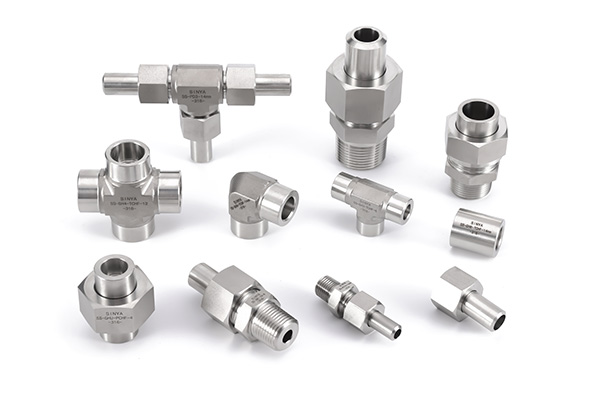
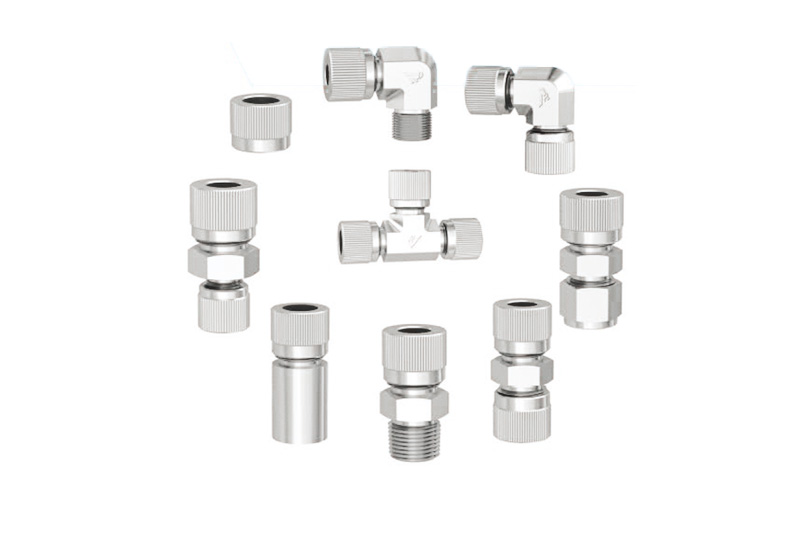
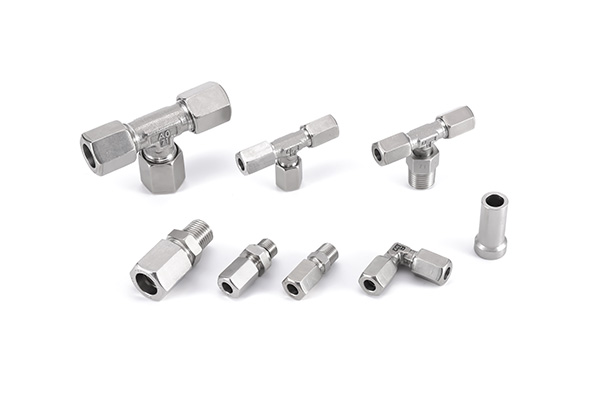
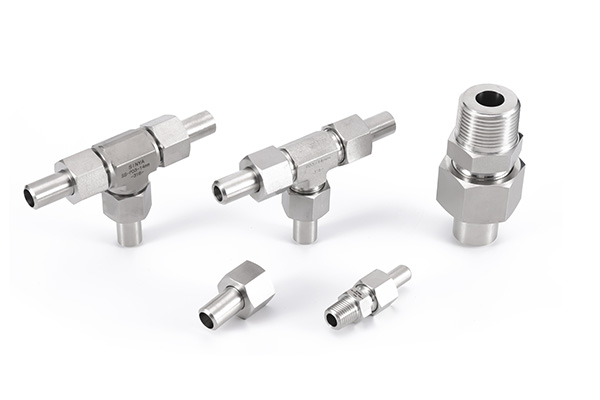
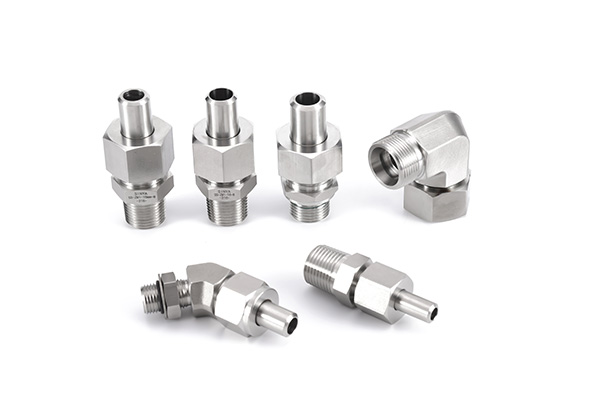
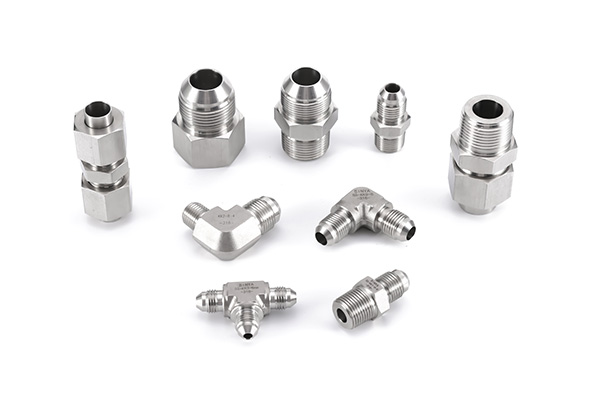
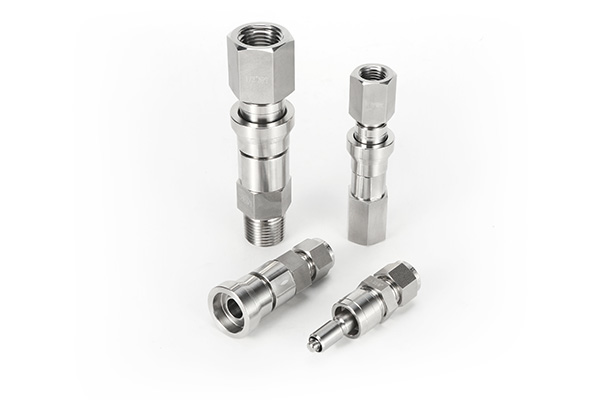
  • Ferrule Joint
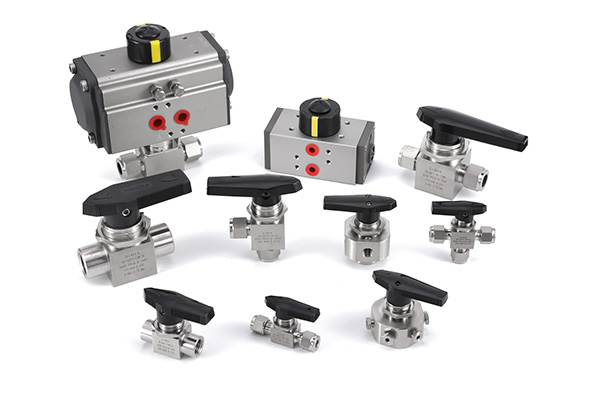
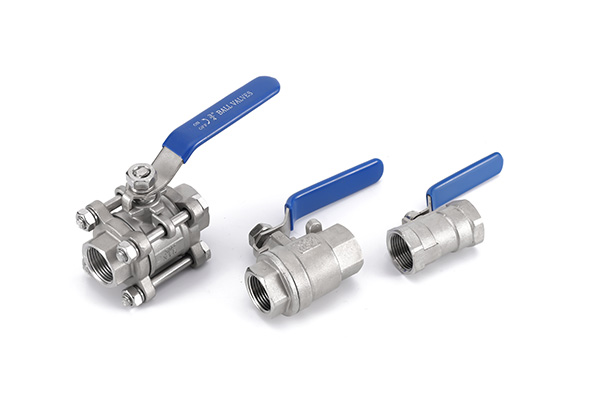
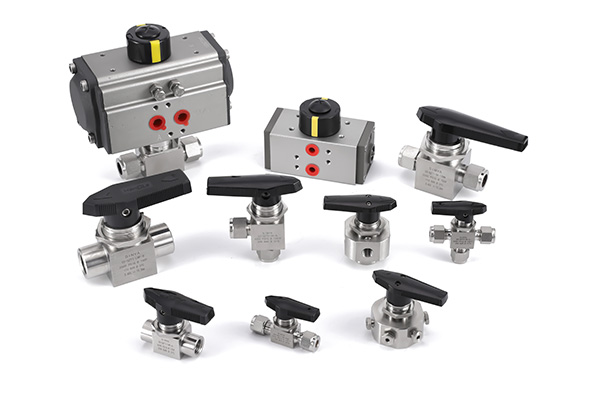
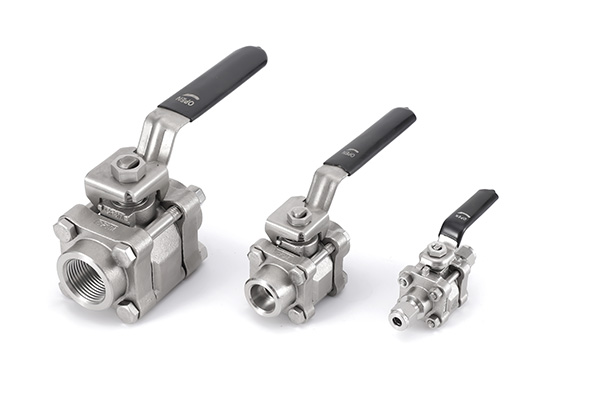
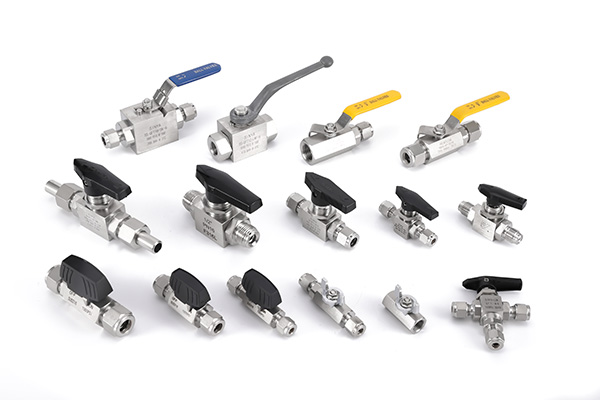
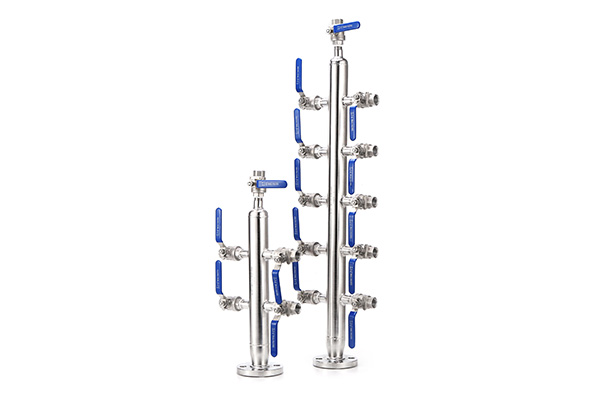
  • Ferrule Ball Valve
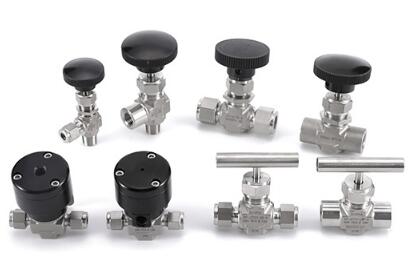
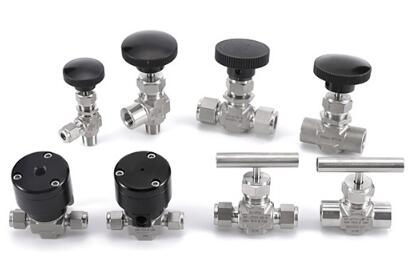
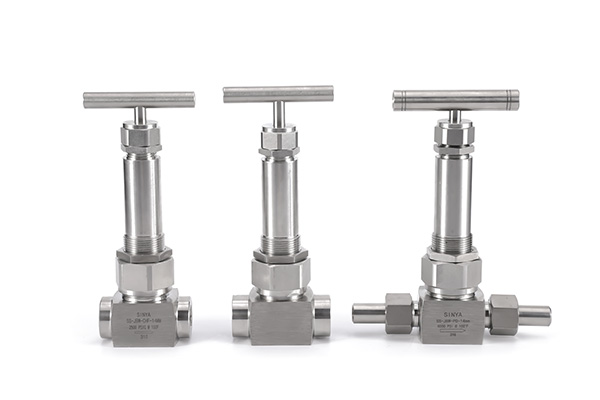
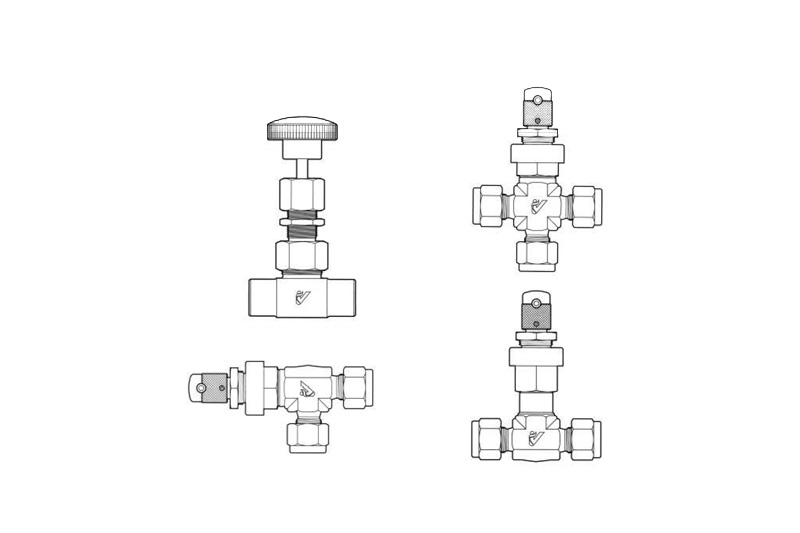
  • Card Sleeve Needle Valve
  • Hose/Quick Connector/Sampling Cylinder
  • Filter
  • Tube Tools and Accessories
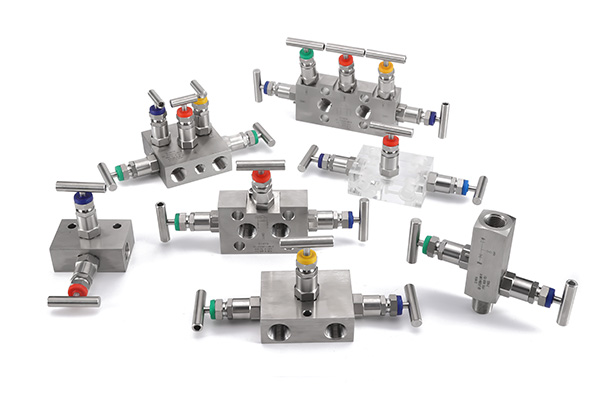
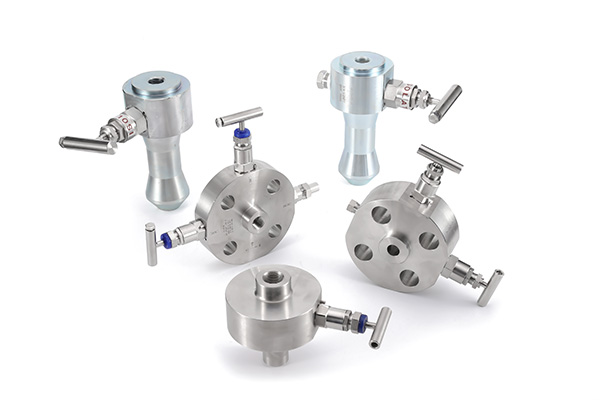
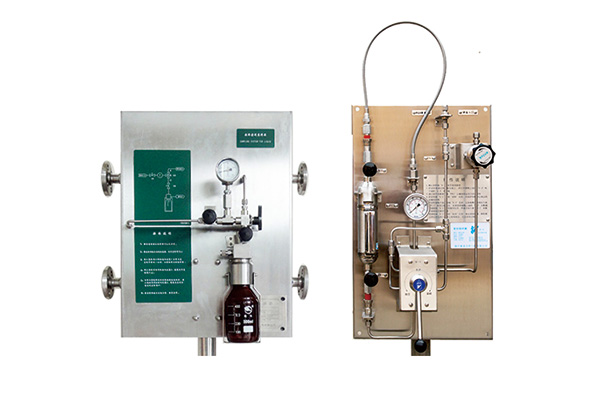
  • Measurement Device/Auxiliary Container/Gas Source Distributor/Sampling Device
  • 01

    Production Show

    Production Show

    CNC Unloader

    01
  • 02

    Products Development

    Products Development

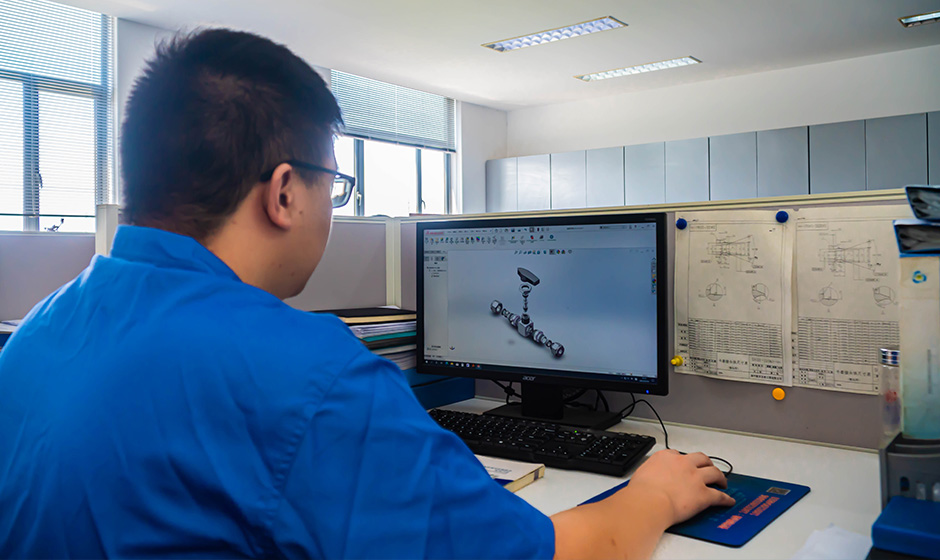
    Product Design

    02
  • 03

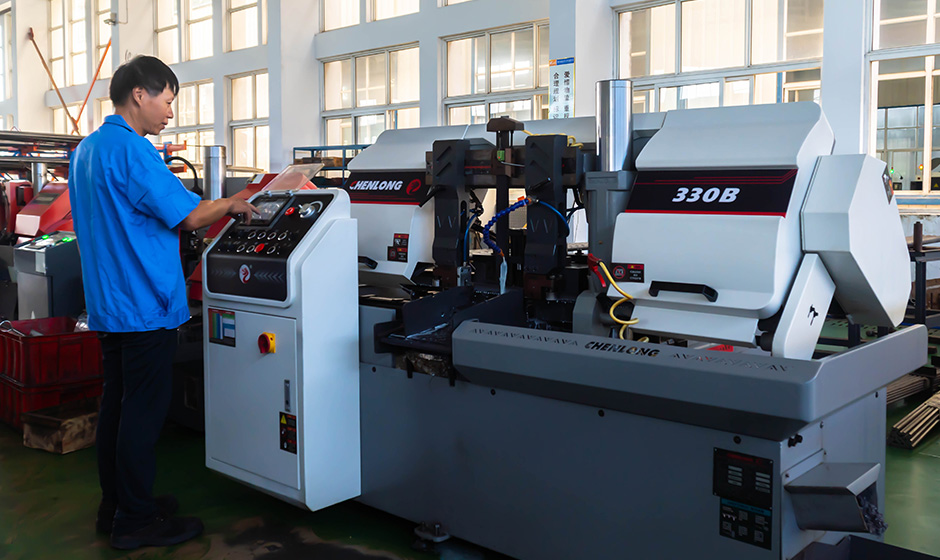
    Production Equipment

    Production Equipment
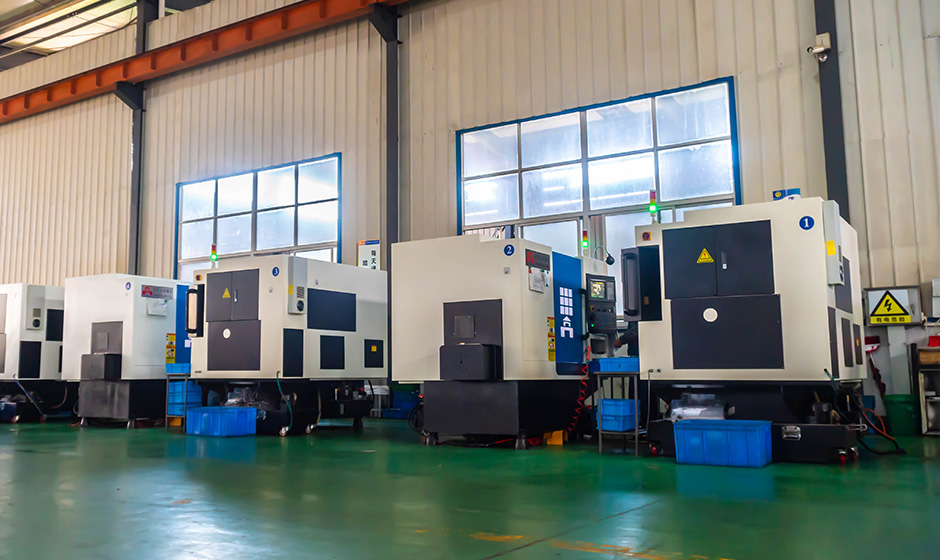
    Production Equipment

    03
  • 04

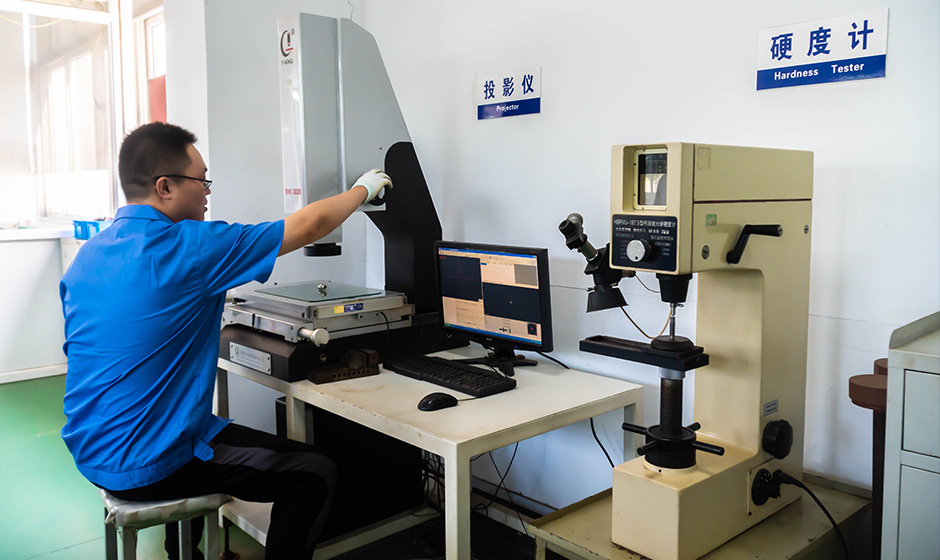
    Inspection Equipment

    Inspection Equipment

    Projector / Hardness Meter

    04

NEWS

Working principle of card sleeve connector

The working principle of the card sleeve joint is to insert the steel pipe into the card sleeve, lock it with the card sleeve nut, resist the card sleeve, and cut into the pipe to seal it. It does not require welding when connected to steel pipes, which is beneficial for fire prevention, explosion prevention, and high-altitude operations, and can eliminate the disadvantages caused by welding and carelessness. Therefore, it is a good connector in the piping of automatic control devices for systems such as refining, chemical, petroleum, food, pharmaceuticals, and instrumentation. Suitable for connecting pipelines such as oil, gas, and water.Assembly method:The performance of sleeve type pipe joints is not only related to the material, manufacturing accuracy, heat treatment, etc. of the parts, but also to the assembly quality. Therefore, the assembly should be carried out according to the following methods.1: Cut the pipe according to the required length on a specialized machine tool, or manually saw it. The perpendicularity of the cut surface to the centerline of the pipe shall not exceed half of the tolerance of the pipe on the outside.2: Remove burrs, metal shavings, and dirt from the inner and outer circles of the pipe end.3: Remove rust proof oil and dirt from all parts of the pipe joints.4: Arrange the curtain in order, insert the card sleeve onto the pipe, and then insert the pipe into the bottom of the tapered hole in the joint body, forming a square card sleeve. While tightening the nut, rotate the pipe until it stops moving, and then tighten the nut 1-1 1/3 turns.
07

2024-08
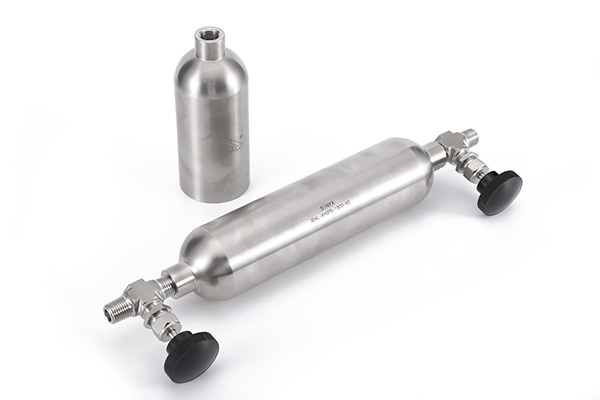
Leak prevention measures for card sleeve connectors during use

07

2024-08
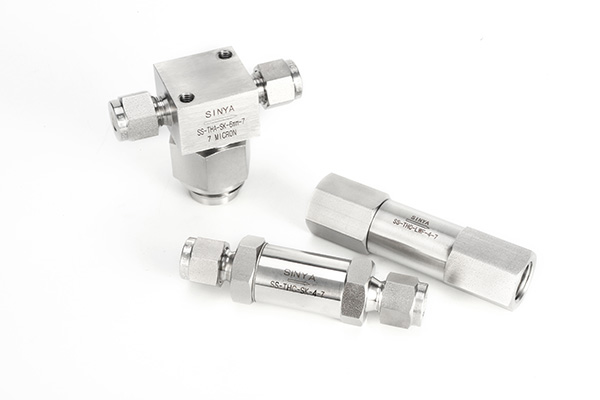
Six installation steps for card sleeve connectors

There are many forms of card sleeve connectors, and the card sleeve is a metal ring with a sharp edge on one end of the inner circle. When connecting, first screw the joint body into the interface of the hydraulic component, then place the connecting pipe into the joint body and tighten it, and then use a nut to tighten the sleeve. During the compression process, the cutting edge of the sleeve cuts into the outer surface of the connecting pipe, forming a sealing surface. At the same time, the sleeve deforms and arches, coming into contact with the inner conical surface of the joint body to form a spherical sealing surface. Whether the cutting edge of the card sleeve can cut into the oil pipe is the key to connection and sealing, otherwise oil pipe pull-out accidents may occur during operation.Installation steps for card sleeve connectors:(1) According to the requirements, the pipes that need to be pickled should be pickled first;(2) Cut the pipe according to the required length using sawing machines or specialized pipe cutting machines, and it is absolutely not allowed to use melting (such as flame cutting) or grinding wheels for cutting; Remove burrs, metal chips, and dirt from the inner and outer circles of the pipe end; Remove rust inhibitors and dirt from pipe joints; At the same time, it is necessary to ensure the roundness of the pipe;(3) Insert the nut and sleeve into the pipe one by one, with the cutting edge (small diameter end) of the sleeve at least 3mm away from the pipe mouth, and then insert the pipe into the taper hole in the joint body until it reaches the end;(4) Slowly tighten the nut while rotating the pipe until it stops moving, then tighten the nut 2/3-4/3 turns;(5) Open and check if the card sleeve has been inserted into the pipe and if the position is correct. The card sleeve is not allowed to move axially and can rotate slightly;(6) After passing the inspection, tighten the nut again.
07

2024-08
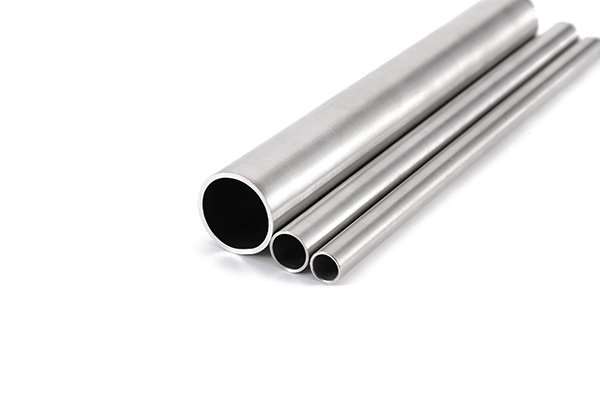
Working principle of high-pressure sleeve ball valve

High pressure card sleeve ball valve is suitable for controlling the opening and closing device of medium in medium and small diameter pipelines under pressure, temperature, and medium; By relying on the pressure of the medium to press the sphere onto the outlet valve seat, its usage pressure and diameter are limited to a certain extent. It adopts a 90 ° transmission, so the switch is convenient and quick, and can be quickly opened and closed.1. Through threaded mechanical propulsion, the forward movement of the sleeve nut pushes the rear sleeve forward, while the rear sleeve pushes the front sleeve forward.2. The high-pressure card sleeve ball valve has a smooth and flat channel, which is convenient for pipeline cleaning and can transport media such as slurry and solid particles.3. Using PTFE (Teflon) and other materials as seals, it has lubricity and elasticity, low friction with spheres, and long service life.4. Quick opening and closing, simply rotate the sphere 90 ° for convenient and quick opening and closing.5. The fluid resistance of high-pressure sleeve ball valves is small. When fully opened, the cross-sectional areas of the ball channel, valve body channel, and connecting pipeline are equal and straight, and the medium flows through the ball valve, which is equivalent to flowing through a straight pipe. The fluid resistance of the ball valve in the valve is small.6. High pressure sleeve ball valves are used in water treatment equipment, chemical equipment, petrochemical equipment, petroleum equipment, papermaking equipment, and so on. When the sleeve nut moves forward, it pushes the rear sleeve forward, and at the same time, the rear sleeve pushes the front sleeve forward.
07

2024-08
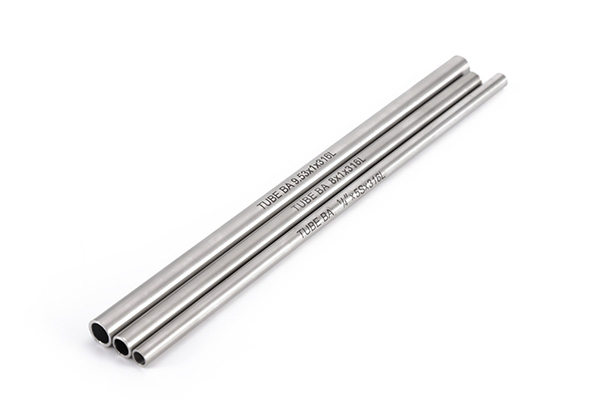
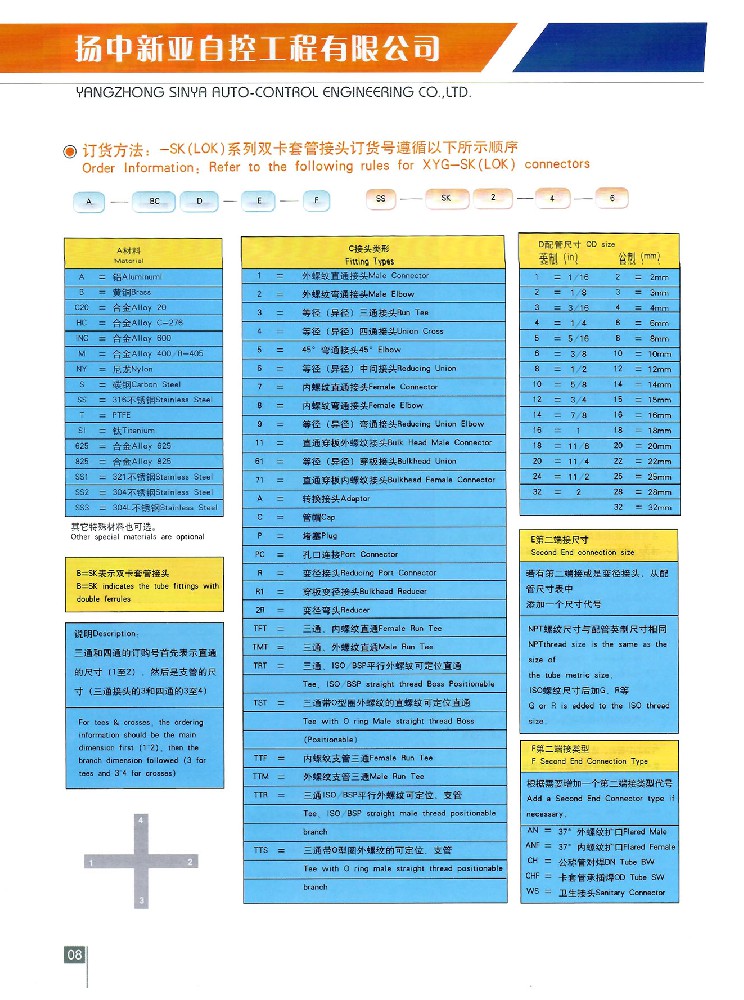
Ordering method for double tube fittings

07

2024-08
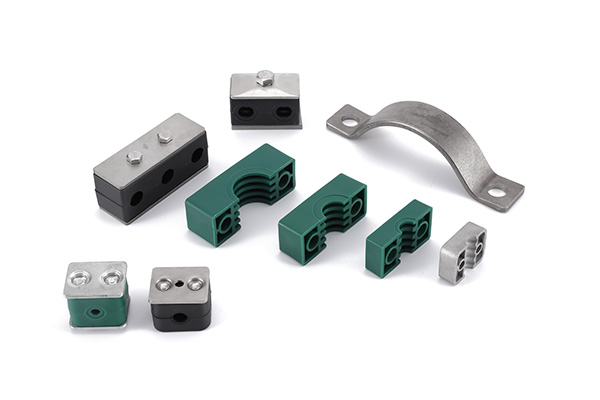
Working principle and usage instructions of double tube fittings

07

2024-08
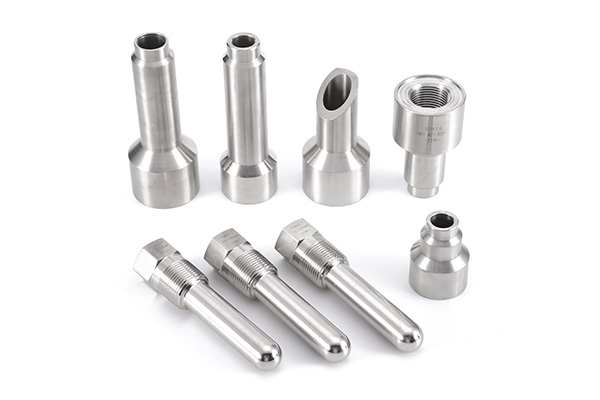
The development history of instrument valves and their importance in the industrial field

Instrument valves are control devices for fluid pipelines, whose basic function is to connect or cut off the flow of medium in the pipeline, change the flow direction of the medium, adjust the pressure and flow rate of the medium, and protect the normal operation of equipment in the pipeline.The widespread application of industrial instrument valves dates back to Watt's invention of the steam engine. In the past two to three decades, higher requirements have been placed on instrument valves due to the needs of petroleum, chemical, power plant, metallurgy, shipbuilding, nuclear energy, aerospace, and other fields. This has prompted people to research and produce high parameter valves, from carbon steel to titanium and titanium alloys, high-strength corrosion-resistant steel, etc. The driving methods of instrument valves have evolved from manual to electric, pneumatic, hydraulic, programmable, numerical control, remote control, etc.With the continuous development of modern industry, the demand for instrument valves is constantly increasing. A modern petrochemical plant requires tens of thousands of various types of valves, and the use of instrument valves is very large. Instrument valves are widely used in various industrial fields, almost involving various areas of industrial production. In these fields, the role of instrument valves is crucial. It can not only control the flow and pressure of fluid media, but also ensure the safe operation of production equipment, effectively reduce production costs, and improve production efficiency.In summary, instrument valves play an irreplaceable role in the industrial field. Each industry needs to choose suitable instrument valves according to different production needs to ensure the normal operation of production equipment, improve production efficiency, reduce costs, and ensure the safety of industrial production.
07

2024-08
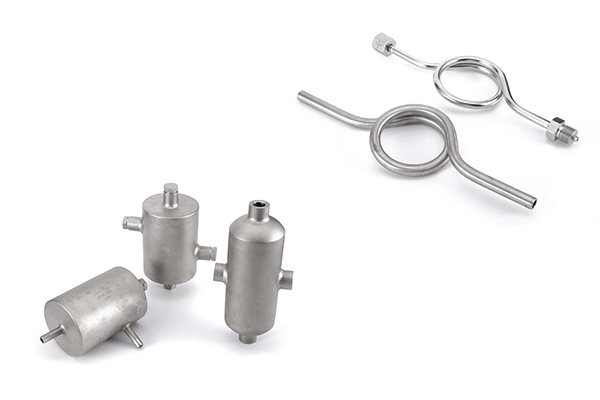
Common faults and solutions of one-way valves

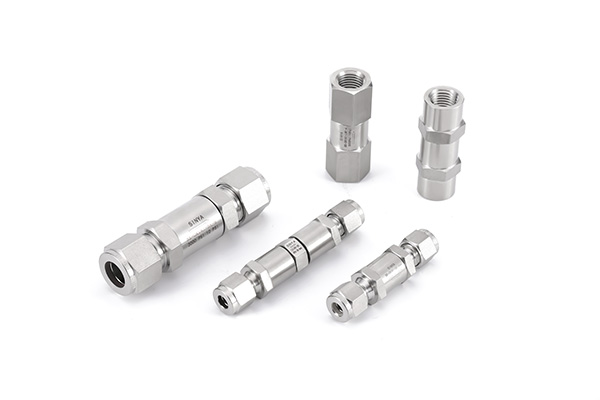
A one-way valve is an important hydraulic component that only allows fluid to flow in one direction and blocks fluid in the other direction. The structure of one-way valve is simple, easy to install and use, so it is widely used in engineering. When the one-way valve fails, it will cause the system to malfunction.Common faults of one-way valves:一、 Serious leakage inside the one-way valveReason for malfunction:1. The coaxiality between the valve seat hole and the valve core hole is poor, and the contact surface after the valve core is guided is uneven, with some gaps.2. When the valve seat is pressed into the valve body hole, it may cause tilting or pulling damage.3. The valve seat is shattered.4. The spring becomes soft.5. Slide valve frayed.6. During assembly, if the cleaning is not done thoroughly or if the oil is not used thoroughly, dirt may accumulate or stick between the valve core and the valve seat surface, causing the cone surface of the valve core to not fit tightly with the cone surface of the valve body, resulting in internal leakage.Resolvent:1. Should be re hinged, reworked, or the valve seat should be disassembled, re pressed, and reassembled.2. The valve seat should be disassembled, re pressed and reassembled, or re hinged and reworked.3. The valve seat should be replaced and developed.4. The spring should be replaced.5. Should be redeveloped.6. Should be rechecked, developed, cleaned, and replaced with clean hydraulic oil.二、 Leakage outside the one-way valveReason for malfunction:1. The threaded connection of the tubular one-way valve may experience leakage due to poor thread fit or loose threaded joints.2. The outer part of the plate valve is mainly due to sealing problems at the installation surface and threaded plug.3. The valve body has air holes and sand holes, which are caused by external leakage due to pressure oil breakdown.Resolvent:1. The joint should be checked and tightened, and sealed with polytetrafluoroethylene tape or O-ring between the threads.2. Check whether the O-ring seal on the installation surface and threaded plug is reliable, and eliminate it according to the situation.3. Generally, it is necessary to repair welding or replace the valve body.三、 The one-way valve does not have a one-way functionReason for malfunction:1. The slide valve is biting inside the valve body.2. Missing or broken springs.Resolvent:1. Careful inspection should be carried out, such as when the valve body hole is deformed, when there are burrs at the joint of the slide valve, when the slide valve is deformed and swollen, etc., which will cause the slide valve to bite inside the valve body and cannot move. At this time, the valve seat hole should be repaired, burrs should be removed, and the outer diameter of the slide valve should be repaired.2. Springs should be installed or replaced.四、 The one-way valve makes an abnormal soundReason for malfunction:1. The flow rate of hydraulic oil exceeds the allowable value.2. Resonance with other valves.3. In the pressure relief check valve, there is no pressure relief device for circuits such as vertical large oil cylinders.Resolvent:1. The one-way valve with high flow should be replaced.2. You can slightly change the rated pressure of the valve or try adjusting the strength of the spring.3. The pressure relief device circuit should be supplemented.How to avoid one-way valve failure:Regularly inspect and replace the sealing ring and spring of the one-way valve.Use filters to reduce the entry of pollutants.Prevent excessive or insufficient pressure.
06

2024-08